


Physical activity and Sport should be for everyone. But are we doing enough to make sure every child feels that way?
On 10 November 2026, the Equal Sport Project was launched, bringing together major sporting organisations, including UK Sport, Sport England, the FA, RFU and Youth Sport Trust, with a shared ambition to make the UK a world-leading nation for women and girls in sport.
The project identifies five key areas for action, with equal access to sport for girls in schools right at the top of the list.
It's an exciting step forward, so how can we, in the primary space, play our part?
Challenging stereotypes from an early age
We've all heard phrases such as 'football is for boys' or 'dance is for girls'. Although attitudes are changing, these stereotypes can still influence how children view sport and physical activity and, importantly, whether they feel confident enough to participate. Children pick up messages about sport from all sorts of places, including family, friends, the media and wider society.
The Equal Sport Project highlights that 41% of boys agree that some sports are for boys. That's a significant proportion of boys holding gender-based views about sport, highlighting why challenging stereotypes from an early age is so important.
As primary educators, we have a valuable opportunity to challenge these perceptions before they become firmly established. The language we use, the activities we offer and the role models we introduce can all help children recognise that no sport belongs to one gender.
How can schools make a difference?
The good news is that promoting gender equality doesn't necessarily require big changes. Sometimes it's the small, everyday decisions that make the greatest difference.
1. Think about how we present activities.
Are we unintentionally reinforcing stereotypes through our language, demonstrations or the examples we use?
Rather than associating particular sports with boys or girls, let's encourage all pupils to explore a broad range of activities, discover their strengths and develop new interests.
Think about who we ask to demonstrate skills, who takes on leadership roles and whether we're giving every pupil opportunities to succeed.
2. Look beyond the PE lesson.
Extracurricular clubs provide fantastic opportunities for pupils to discover new interests, develop friendships and build confidence. But have you considered whether your school's clubs are not only open to everyone, but actively promoted to everyone?
If your school offers football, rugby, dance or cheerleading clubs, think about the language, posters and photographs used to promote them. Do they make all pupils feel welcome?
And importantly, who's actually attending?
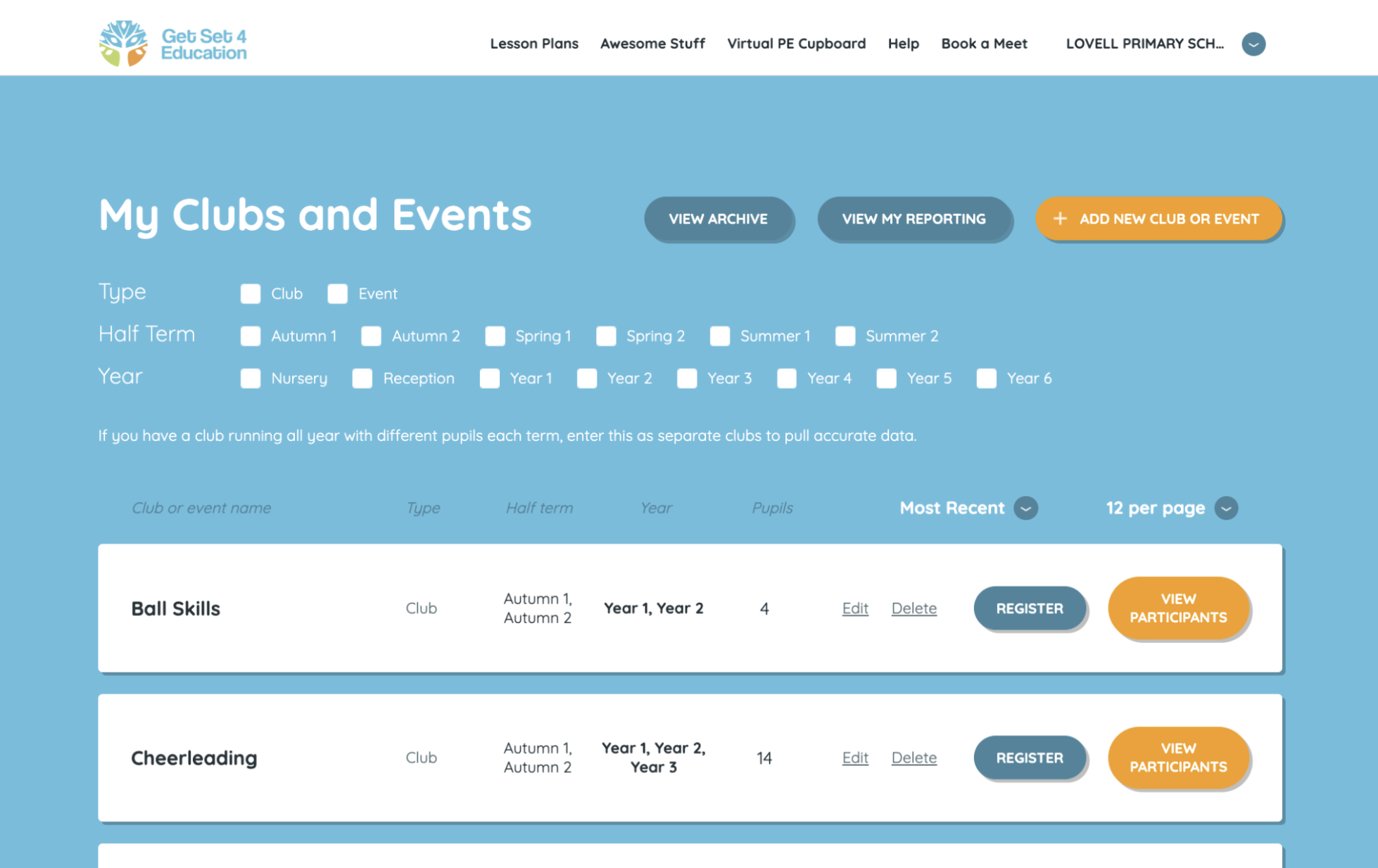
A club might be open to everyone, but if participation is predominantly one gender, it's worth exploring why. Pupil voice can help identify any barriers, while our My Clubs and Events tool on Get Set 4 PE allows schools to review participation by gender, spot patterns and make informed decisions about their provision.
Could a change in how a club is promoted, or the introduction of a different activity, encourage more pupils to get involved?
Of course, equal opportunities don't necessarily mean equal numbers in every club, but understanding participation patterns can help us identify whether any pupils are missing out on activities they might otherwise enjoy.
3. Think about the role models and experiences children see.
Representation matters, and schools have a wonderful opportunity to challenge stereotypes through the coaches, visitors and sporting experiences they introduce.
Imagine the impact of a female football or rugby coach delivering a workshop, or a male dancer or cheerleader demonstrating their skills.
These experiences can help challenge assumptions about who participates in different sports and encourage children to consider activities they might previously have dismissed.
When planning enrichment days, booking workshops or inviting sporting visitors into school, why not consider whether they could introduce pupils to someone who challenges traditional sporting stereotypes?
It's a simple consideration that could open up a whole new world of sporting possibilities.
And what about the sporting events we celebrate in school? When the Men's Football World Cup comes around, there might be sweepstakes, displays and plenty of excitement. But do we create the same buzz around the Women's World Cup? Highlighting achievements and celebrating sporting events across both men's and women's sport can help children recognise that sporting success deserves equal recognition.
4. Encourage everyone to lead, learn and succeed.
Gender equality isn't just about participation. It's also about ensuring all pupils have opportunities to develop confidence, take responsibility and experience success.
Think about how roles are allocated during PE lessons. Are the same pupils always leading teams, demonstrating skills or making decisions?
By sharing responsibilities and encouraging pupils to try different roles, we can help challenge assumptions about leadership and ability.
And let's not forget the important role boys play in this conversation. Helping all children recognise and challenge stereotypes encourages a more respectful and inclusive sporting environment for everyone.
How Get Set 4 PE supports gender inclusion
At Get Set 4 PE, we believe every child should feel confident, capable and included, whatever activity they're taking part in.
That's why challenging stereotypes and promoting equal opportunities are important considerations in how we develop our resources.
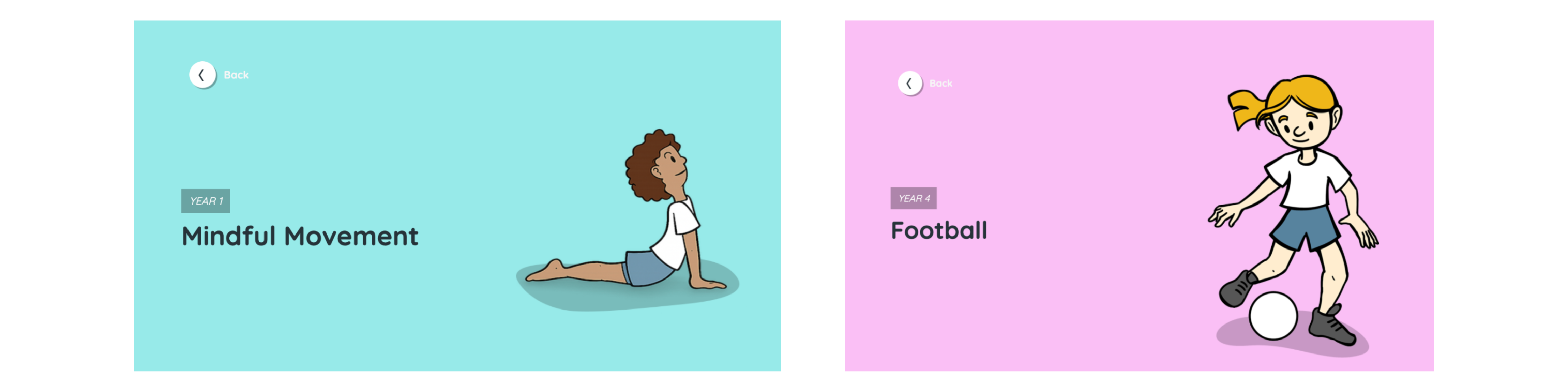
You might have noticed that our dance, gymnastics, parkour and mindful movement units are colour-coded blue, while invasion games are pink. This is a deliberate choice to challenge traditional gender associations.
Our KS2 football resources feature a female character, and our video demonstrations include boys and girls participating across a broad range of activities.
Our lessons are designed to promote mixed-gender participation, without making assumptions about pupils' abilities or interests based on gender.
Our social and emotional learning objectives also encourage teamwork, respect, communication and empathy, helping teachers create positive learning environments where everyone feels valued.
These may seem like small details, but they're intentional choices designed to reinforce one important message: every activity is for every child.
Small changes today, bigger opportunities tomorrow
The Equal Sport Project is an important reminder that achieving equality in sport requires action at every level, from national sporting organisations to our own school playgrounds.
And while schools may not be able to change everything overnight, there are plenty of opportunities to make a difference.
So, perhaps this week, take a moment to reflect:
- Are all pupils equally encouraged to participate in every activity?
- Do our extracurricular clubs feel welcoming and accessible to everyone?
- Are we introducing children to role models who challenge sporting stereotypes?
- Are we listening to what pupils tell us about their experiences of PE and school sport?
Because the more opportunities we give children to explore, participate and succeed, the more likely they are to discover an activity they genuinely enjoy.
Sport doesn't have a gender. Let's help every child feel that they belong.
Find out more about the Equal Sport Project and its five ambitions at The Equal Sport Project.